Rejuvenating the Beatrix Farrand Garden at Bellefield
Preserving a Living Landmark
Gardens are, by definition, living works of art. Their beauty lies in constant change—season to season, year to year. Yet when historic preservation is central to the mission, that very dynamism presents a profound challenge. How do we honor the ideas, emotions, and artistry that defined a garden a century ago while responsibly stewarding it through inevitable change?
As stewards of the extraordinary garden created in 1912 by Beatrix Farrand—one of America’s most significant landscape designers—we are now embarking on a thoughtful and ambitious rejuvenation of the Walled Garden. Like the strategic plan that now guides our organization, this initiative establishes a clear framework for strengthening both the garden and the nonprofit that sustains it. Our goal is not simply preservation, but renewed vitality—ensuring that this historic landscape continues to inspire, educate, and serve the public for generations to come.
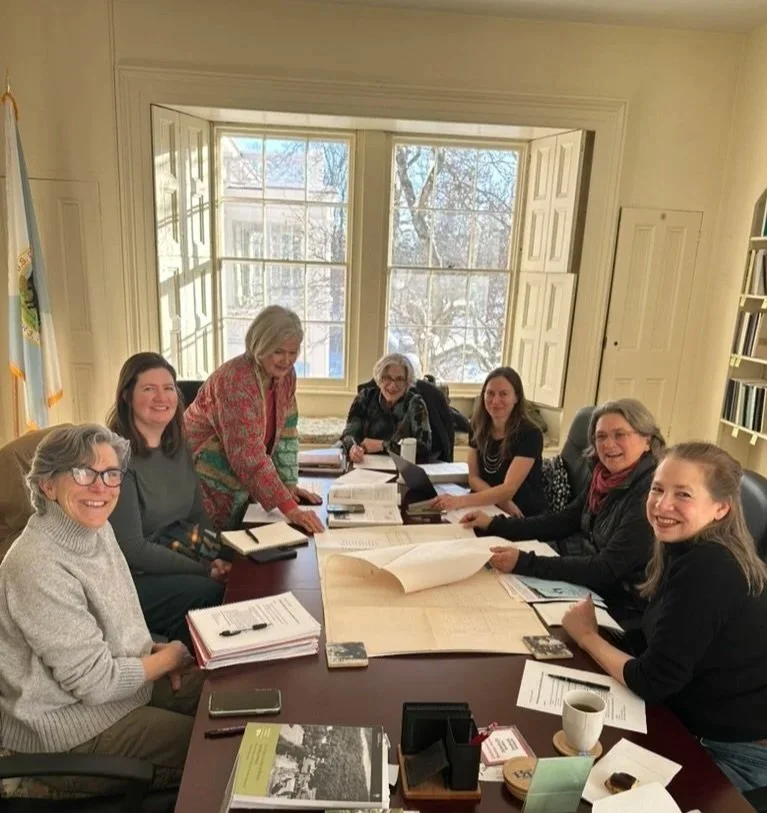
The Rejuvenation team–a panel of experts in Farrand’s work and landscape stewardship–is crafting a rejuvenation plan that revives the authenticity of Farrand’s initial design while also meeting the horticultural and cultural demands of the future.
Beatrix Farrand as Our Touchstone
To guide this effort, we have convened a distinguished team of experts in Farrand’s work, public horticulture, landscape design, sustainable maintenance, and historic preservation. Working closely with our staff and board, they are examining the garden holistically—its history, its present condition, and its future potential. Lynden Miller, one of America’s foremost public garden designers and an authority on Farrand’s designs, is a key consultant on the project.
Their charge is clear:
Articulate what makes this Farrand garden exceptional
Develop detailed design and maintenance plans that express her remarkable vision
Provide a sustainable framework for managing change—whether in climate, resources, ownership, or use
This work will:
Establish clear metrics for informed organizational decision-making
Equip our staff and volunteers with the knowledge and tools to steward the garden expertly
Expand our ability to share Beatrix Farrand’s lessons with wider audiences
Restore the garden as an oasis of inspiration and delight—precisely as Farrand intended
““Adaptation is essential. We have to be creative and react to the place and the weather and the different conditions that we face now that [the garden’s creators] didn’t. But they are always our touchstone… I hope that the garden feels authentic to them, whilst being relevant for today.””
That balance—authenticity and relevance—is the heart of our work. Preservation is not a one-time project. It is informed, ongoing change management.
We are pleased to report that this process is already underway in partnership with our staff, volunteers, and the National Park Service (NPS). A phased implementation plan with detailed cost estimates is now in development.
Rejuvenation Initiatives
-
The rejuvenation of the planting beds will most visibly express Farrand’s genius.
Over time, invasive species have taken hold, and some desirable plants have spread beyond their intended bounds. During the coming growing season, we will carefully catalogue and preserve heirloom and exceptional perennials while developing updated planting plans.
These plans will highlight Farrand’s painterly approach to form, structure, and color—while thoughtfully expanding seasonal interest into summer months. The result will be a garden that feels unmistakably Farrand: disciplined yet lyrical, structured yet abundant.
-
The garden’s strong sense of enclosure is fundamental to Farrand’s design.
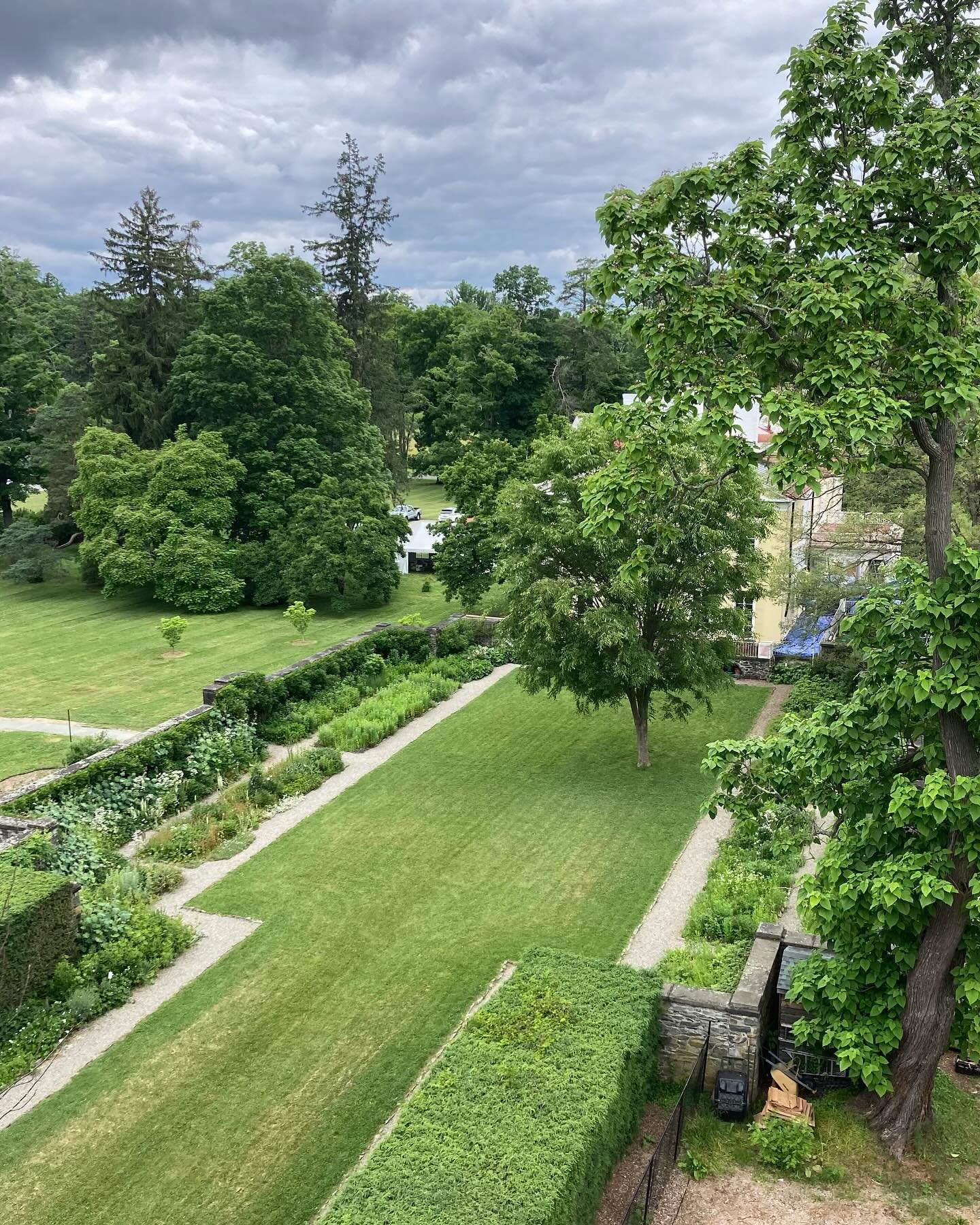
In November 2025, volunteers began removing vines that had overtaken Farrand’s original 1912 fieldstone walls. NPS specialists will assess and restore the masonry as needed. Our nonprofit will replicate and reinstall the historic trelliswork using Farrand’s original designs.
Farrand famously used vines as tracery—accentuating, not obscuring, architectural elements. In consultation with the NPS, our team is evaluating historically appropriate vine selections, considering substitutions where necessary to reduce invasiveness and maintenance demands.
The existing hemlock hedge, once a defining architectural feature, has become too overgrown to restore. To reestablish the crisp geometry that echoes the stone walls, we will replant with a more pest-resistant evergreen capable of regenerating from older growth. This change will restore the intended proportions and reclaim several feet of planting depth along the beds.
Historically, ornamental trees and shrubs surrounded the walled garden, reinforcing its sense of shelter and intimacy. Our recent wild garden initiative has begun restoring this layered enclosure, and the rejuvenation team is developing plans to extend that effort.
-
Movement through the garden is central to the visitor experience. Our historic gravel paths will be renovated with attention to both durability and accessibility. While our wild garden project created an accessible route from the Wallace Visitor Center to the west gate, interior paths do not yet meet accessibility standards. This project will bring more accessibility to the garden while preserving the proportions of this “family” garden.
The terrace, house, vine-covered trellis, and steps—designed in tandem with the garden—are integral to Farrand’s composition. As the National Park Service undertakes a meticulous restoration of Bellefield Mansion’s exterior, these elements are also being rejuvenated to ensure a seamless and authentic experience. The garden’s signature historic gates will be carefully refinished.
-
This initiative is both preservation and renewal. It honors a singular American designer while ensuring that her work remains relevant in a changing world.
With a clear plan, expert guidance, and strong partnerships, we are poised to rejuvenate the Beatrix Farrand Garden at Bellefield as a national treasure—an enduring public resource for beauty, learning, and reflection.
Your support will help secure its next century.